
Slab leak detection in Boynton Beach
A slab leak is located by confirming water loss at the meter, separating the hot and cold lines under the floor to see which one drops pressure, and then listening across the floor to mark the spot.
Answered 24 hours a day, every day.
What we check before cutting into concrete
Concrete is the last thing we want to open. First we rule out every leak that sits above the floor:
- Meter movement with all fixtures, the ice maker and irrigation off
- Toilets, the water heater relief valve and exposed supply lines
- Whether hot water, cold water or both lines are losing pressure
- Warm or damp spots on tile, carpet or baseboards
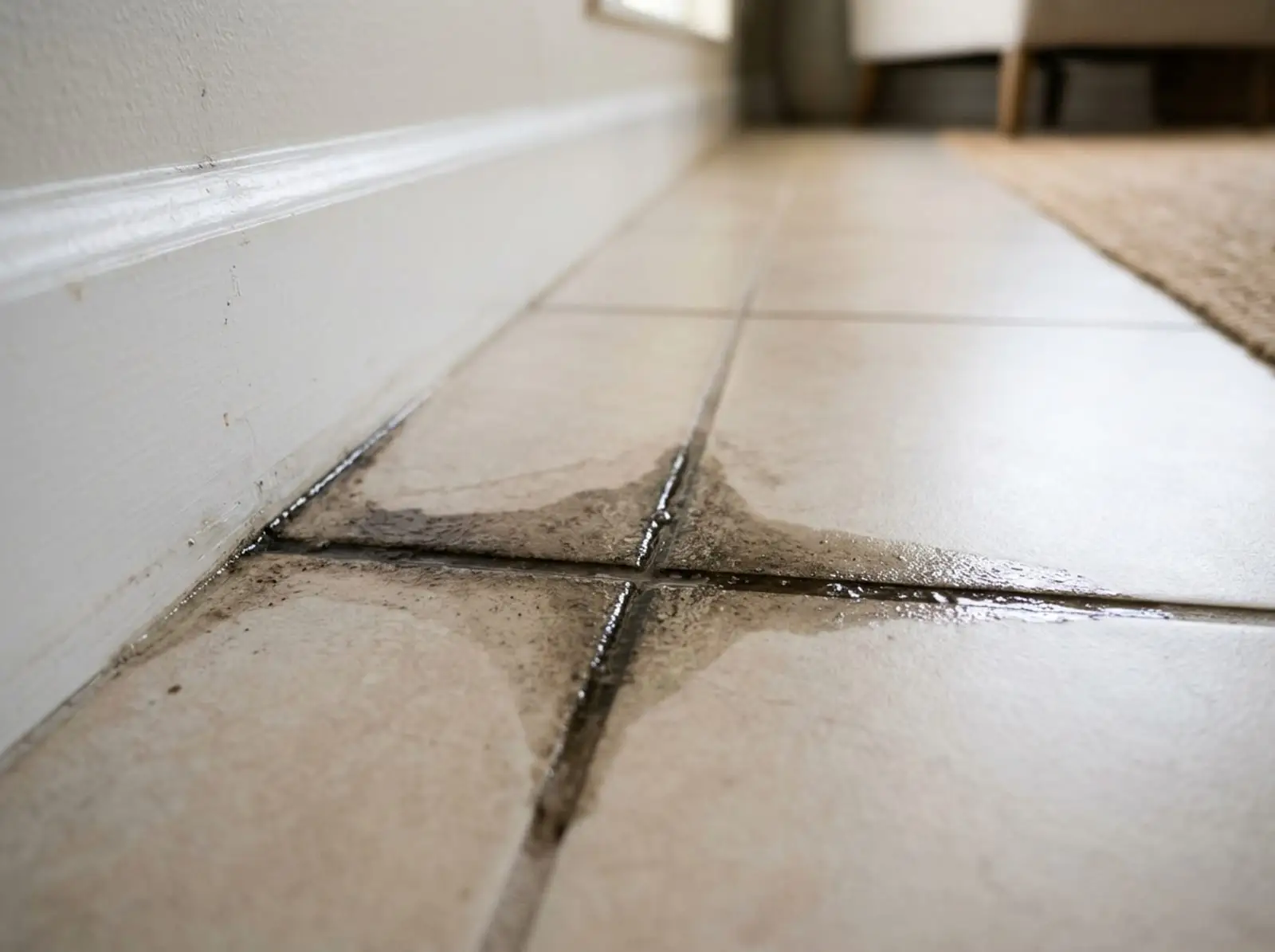
- Cracks in floor tile or grout that line up with a pipe route
- How the lines run under the slab from the meter to each fixture
Warm spot on the floor? Request a slab leak call
What a slab leak feels and sounds like
One spot on the floor feels warm under bare feet
Escaping hot water warms the concrete from below, so the tile over that pipe feels different from the rest. It often shows up in a hallway or near the kitchen or a bathroom.
The water heater seems to run all the time
If hot water is escaping under the floor, the heater keeps refilling and reheating, and your gas or electric use climbs with it.
I hear water under the floor at night
With the house quiet, a pressurized leak below the slab can sound like a faint hiss or rush through the tile.
The carpet is damp along a wall and nothing spilled
Water from under the slab wicks up into the carpet pad and the bottom edge of the drywall.
Tile has cracked or lifted for no reason
Water moving under a slab can wash out soil and put stress on the floor above it.
Once the slab leak is found
Locating the leak comes first, and it happens in steps. With the meter confirming a loss, we isolate the hot side and the cold side and test each one for pressure. The side that drops is then followed across the floor, listening for escaping water, until the loudest point is marked.
From there, there is usually more than one way to fix it. A single leak can be repaired by opening the concrete at the marked spot. If the line is old and likely to fail again, rerouting it through the attic and walls and leaving the slab line out of service can make more sense. You hear the options and what each one involves, and you choose before any work begins.
After the repair, the line is pressure tested again and the meter is checked with everything off.
Why slab leaks come up in Boynton Beach
A lot of Boynton Beach homes are single-story houses built on a concrete slab, and most were built between 1970 and 1999. In those houses the water lines run under the floor, so a leak stays hidden until it warms the tile, wets the carpet or shows up on the Boynton Beach Utilities bill. When pipe that old starts leaking under the slab, it is fair to ask whether one repair is enough or whether a reroute is the better plan.
One number for all 12 towns, day or night
What customers wrote on Google
A selection of our 5-star reviews on Google.
They got to my place quick and fixed the leak without any drama. Really solid work.
Fixed my water heater fast and did great work. Couldn't be happier with how it turned out!
They came out fast and fixed my leak right away. Really impressed!
Tell us what your floor is doing
Or call now: (561) 979-4617